
Rome Nutrition Week 2026
Rome Nutrition Week 2026
“Shaping the Future of Joint Nutrition Action in a Changing World” — Uniting partners to accelerate coordinated, decisive nutrition action worldwide.


25-28 May 2026 | FAO Headquarters, Rome & Online
Following the inaugural Rome Nutrition Week in 2024 and building on the 2025 focus on coherent policy and action for better nutrition, Rome Nutrition Week 2026 (RNW26) will take collaboration one step further: from dialogue to more coordinated, actionable solutions.
Held from 25–28 May 2026 at FAO Headquarters and online under the overarching theme “Shaping the Future of Joint Nutrition Action in a Changing World,” the 2026 edition will focus on strengthening joint approaches, enhancing coordination, and identifying practical pathways to accelerate nutrition progress in a rapidly evolving global context. With millions still unable to afford a healthy diet and nutrition crises persisting alongside food insecurity, working together more effectively across sectors, institutions and levels of governance is more critical than ever.
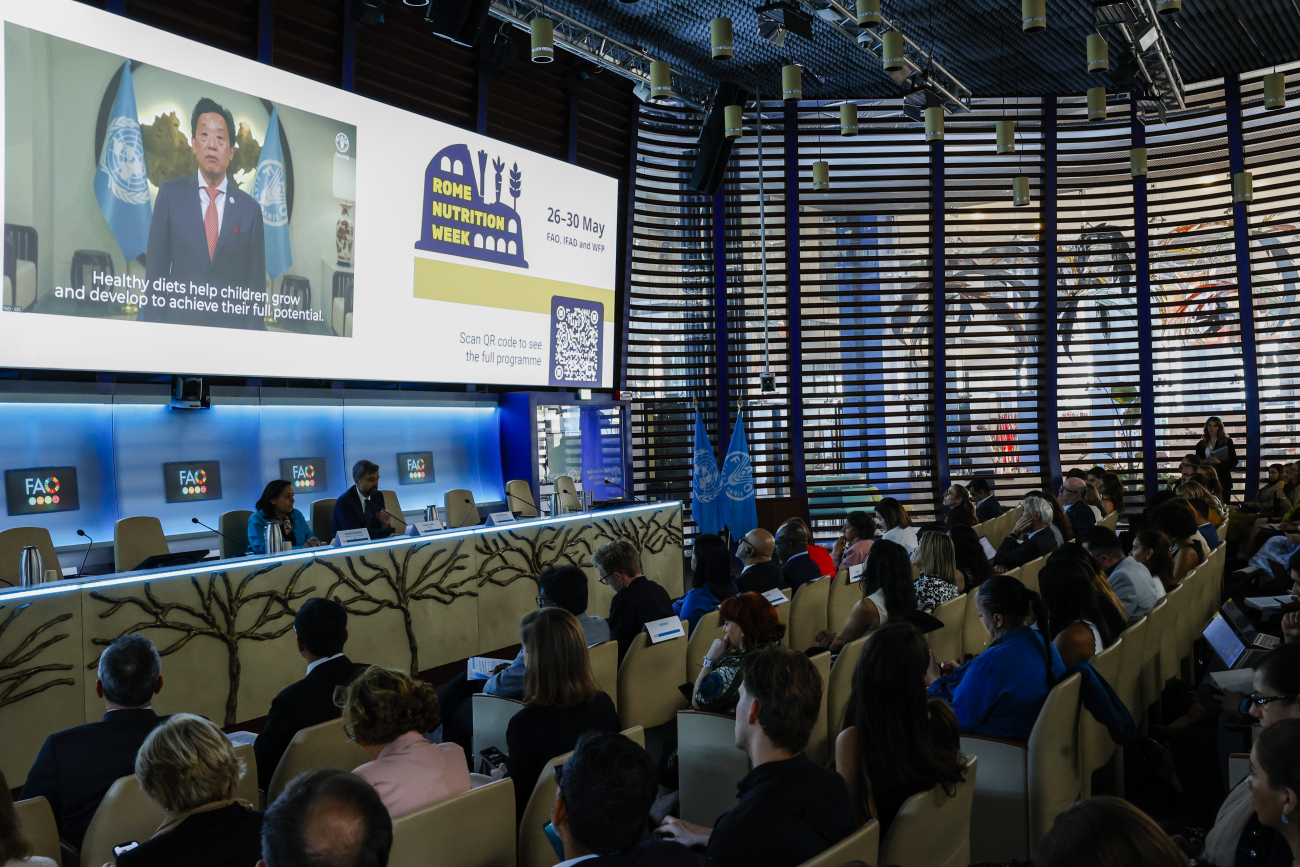
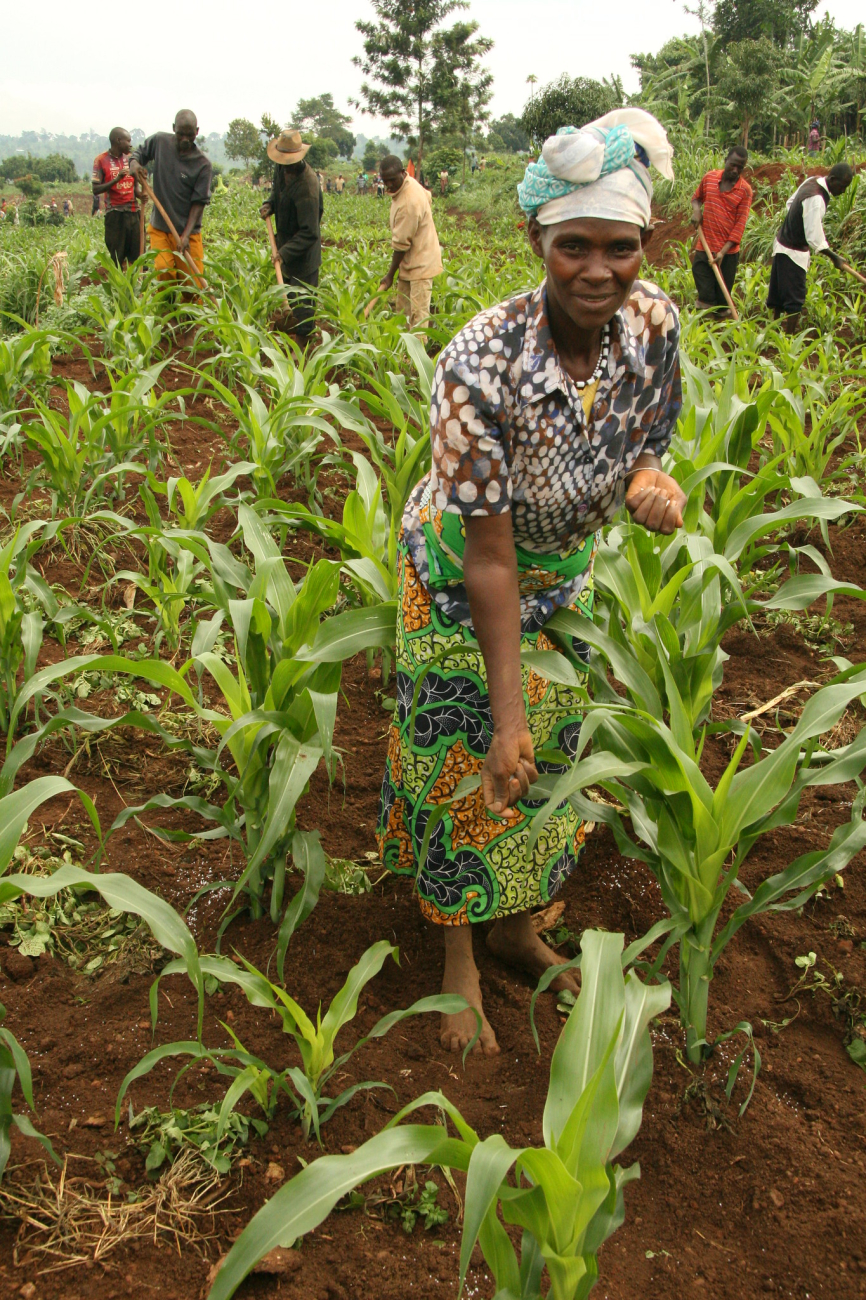
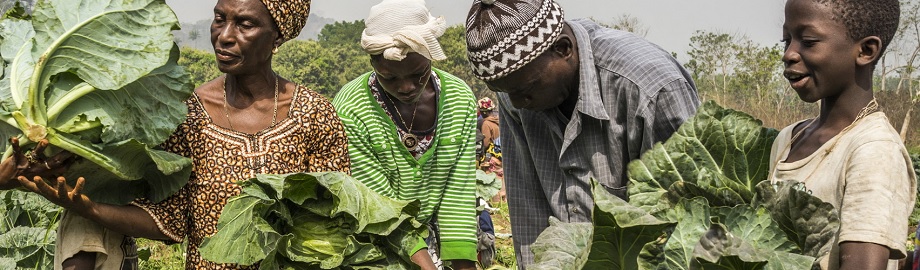
Photo credits
Top left: © UN-Nutrition. Top right: © UN-Nutrition. Bottom right: © UN-Nutrition. Centre: © FAO | Ny You
Rome Nutrition Week 2026: A Platform for Collaboration

Rome Nutrition Week 2026 will provide a platform for collaborative events, convenings and conversation, bringing together governments, UN agencies, civil society, academia, and other stakeholders to accelerate collective nutrition action.
Rome Nutrition Week 2026 serves as a global platform to:
- Strengthen joint approaches across institutions and sectors
- Align evidence, finance and delivery around country priorities
- Keep nutrition central to agrifood systems transformation
- Support progress towards the extended UN Decade of Action on Nutrition and global nutrition targets to 2030
Registration
Rome Nutrition Week 2026 will be held in a hybrid format, allowing both in-person and online participation.
- Participation is free of charge
- Registration is mandatory for both in-person and online attendees
- No sponsorship or financial support can be provided. Participants are responsible for travel and visa arrangements
Join us in person:
REGISTER HERE
Where to find us: FAO Headquarters - Viale delle Terme di Caracalla, 00153 Roma RM, Italy - See on Maps
Join us online:
REGISTER HERE
Programme and Agenda
The week will feature a core programme consisting of one plenary session and three thematic sessions daily, and a rich parallel programme of activities, including exhibitions at FAO Atrium and more, culminating in a High-Level flagship event to mark World Nutrition Day (28 May).
Watch this space! Documents and resources will be uploaded here shortly.
Daily Thematic Areas
Anchored in the overarching theme of "Shaping the Future of Joint Nutrition Action in a Changing World," each day will dive deeper into a specific dimension of joint nutrition action.
Day 1 - 25 May: Nutrition Evidence and Innovation for Shaping Agrifood Systems Transformation
Day 2 - 26 May: Aligning Finance for Nutrition Integration
Day 3 - 27 May: Local Food Solutions for Global Impact
Day 4 - 28 May: Delivering as One for Coherent Nutrition Action
Nutrition Evidence and Innovation for Shaping Agrifood Systems Transformation
This thematic area will focus on how healthy diets and nutrition are fundamental levers for agrifood systems transformation and how evidence and innovation can be better harnessed to accelerate this.
Transforming agrifood systems to deliver healthy diets for all requires bold, evidence-based and innovative approaches that place nutrition at the center of global commitments. Focusing on nutrition outcomes in agrifood system transformation efforts can benefit agriculture, health, environment, and social inclusion to achieve shared goals for now and the future. Leveraging cutting edge research, data, and new technologies, countries and institutions can strengthen their capacity to design policies and actions that drive broad systemwide transformation while improving nutrition outcomes. This means recognizing how healthy diets and nutrition are interconnected with equity and inclusion, and healthy ecosystems, climate resilience, biodiversity conservation, and human, animal, plant and environmental health – core principles of the One Health approach. Evidence and innovation together enable us to understand these linkages, anticipate tradeoffs, and identify solutions that generate co-benefits across sectors.
Aligning Finance for Nutrition Integration
This thematic area will contribute to advancing multilateral and country-driven approaches to mobilizing, aligning, and scaling financing for nutrition across sectors and partners. It will also look at exploring innovative financing mechanisms to channel additional resources and fill the nutrition investment gap, including through Public-Private Producer Partnerships, risk management and innovative credit tools and smart subsidies, migrant remittances, social bonds, climate-related financing, and diaspora investments.
The events will strengthen coordination, improve investment tracking and M&E systems, and better articulate the value proposition of nutrition investments. Emphasis will be placed on leveraging MDB’s engagement and mobilizing private capital to accelerate progress toward national and global nutrition commitments.
Thematic Sessions will highlight innovative financing instruments, co-financing models, blended finance, and public–private partnerships that integrate nutrition and gender equality into food systems, health, social protection and climate investments. Proposals should align with N4G priorities, support country ownership and multilateral cooperation, and generate practical lessons to inform policy dialogue, investment decisions, and collective action to improve nutrition outcomes.
Local Food Solutions for Global Impact
This thematic area will spotlight locally led, practical opportunities in cities, territories, regions, or nations that can contribute to a stable, durable supply of nutritious foods for healthy diets, responding to local demand. The events will feature a diverse portfolio of solutions – from regionally and locally fortified staples to locally produced specialized nutritious foods (SNFs) and commercially produced complementary foods (CPCFs) to minimally processed foods, neglected and underutilized species, and fresh produce – designed to improve diets for both the general population and vulnerable groups in crisis and stable settings.
In the collaborative spirit of Rome Nutrition Week, discussions will highlight innovations across key delivery platforms, including social protection systems, such as shock-responsive safety nets and school meals), health and nutrition services, community and civil society platforms, digital and market-based channels, humanitarian response mechanisms, and public procurement models. It will also explore how different modalities of cash, vouchers, and in kind can enable access to local nutritious foods through these platforms.
Delivering as One for Coherent Nutrition Action
This thematic area will highlight examples – across all levels – of acting, speaking, and learning as one. It will emphasize an integrated approach as essential for ensuring the delivery of stronger, more efficient, and more impactful policies that drive real progress toward the SDGs and Global Nutrition Targets.
Examples include coordination and coherence in: (1) whole-of-government approaches for intersectoral action on nutrition; (2) UN system-wide approaches to optimize technical support; (3) multi-level collaboration across global, national, subnational, and local actors; (4) multistakeholder approaches; and (5) other relevant models. Applications that discuss how nutrition funding cuts are shaping the future of joint nutrition action are also very welcome, highlighting the current and foreseen funding challenges and their real‑world consequences, while also showcasing some of the most cost‑effective, high‑impact interventions currently at risk.
Media and Communications
We all have a role to play in tackling malnutrition in all its forms and building food systems that deliver healthy diets for all. During Rome Nutrition Week 2026, join the conversation in Rome and around the world and help spotlight solutions that improve nutrition, reduce food waste, protect our planet and make healthy diets more accessible.
Share your events, insights and commitments using the #RomeNutritionWeek hashtags, and follow the global conversation on X and LinkedIn.
Together, we can turn momentum into action for nutrition.
Official hashtags: #RomeNutritionWeek | #RomeNutritionWeek2026 | #RNW26 | #FutureNutrition
Tag us: @un_nutrition (X) | @UN-Nutrition (LinkedIn)
This social media toolkit includes RNW26 visual identity elements and provides curated key messages, sample posts, templates, and shareable graphics to help you engage with RNW26 activities. Use it to highlight the week’s themes and discussions, share new evidence and insights, and amplify key moments, sessions, and announcements throughout the week.
Download, use as is or add your own message, and post to join the conversation!
Event Recordings & Resources
Watch this space!
Event recordings will be available here and on UN-Nutrition YouTube page after Rome Nutrition Week 2026 is concluded.
To watch the events from the 2025 edition, click here.
About Rome Nutrition Week
Rome Nutrition Week is the annual global convening space in Rome dedicated to advancing coherent nutrition action across the UN system and beyond.
Its Steering Committee consists of members of the Permanent Representations to the UN in Rome of Canada, Jordan, Lesotho, New Zealand, Sri Lanka Switzerland, the UK, Venezuela, and Zambia, as well as representatives from FAO, IFAD, WFP and UN-Nutrition.